What to do in the first hours after roof damage
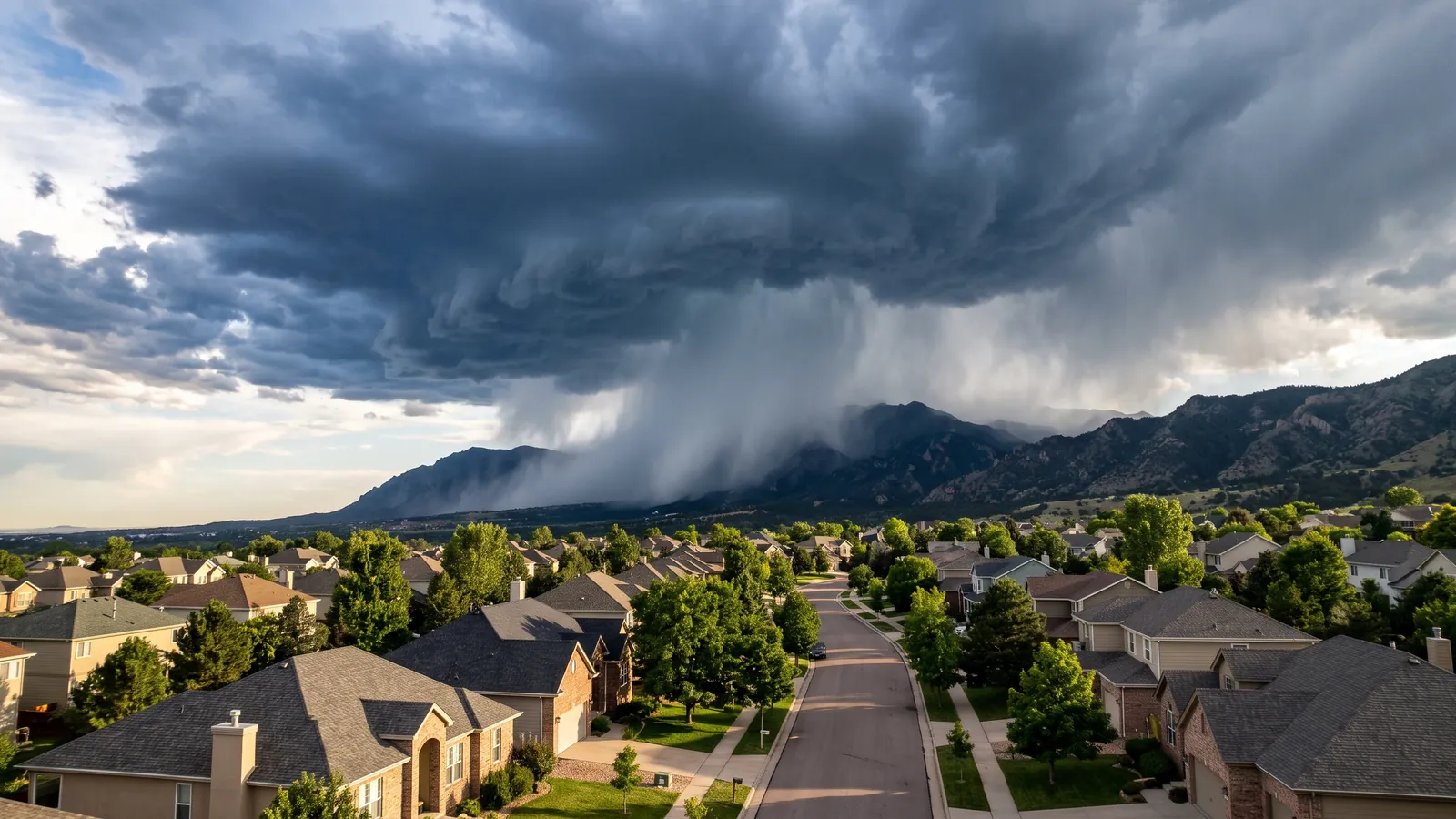
Front Range storms build fast in the afternoon. If one has opened your roof, here is the order to work in.
Right away
- Safety first. If a tree is on power lines, or you smell gas, leave the area and call 911 or the utility.
- Stay off the roof. Wet shingles, hailstones and debris make it treacherous.
- Protect the inside. Buckets under drips, furniture and electronics moved, rugs rolled up.
- Cut power to wet areas at the breaker if water is near outlets or fixtures and you can reach the panel safely.
Within the first day
- Photograph everything. Ceilings, walls, the roof from the ground, debris in the yard, dented gutters.
- Get the roof covered. Call a roofer to tarp any opening. A proper tarp is battened down, not weighed with bricks.
- Call your insurer to report the damage and get a claim number.
- Keep receipts for anything you spend to prevent further damage.
In the following weeks
Once the roof is dry and the adjuster has visited, the permanent repair or replacement is scheduled. Our claim guide covers that part, and the emergency roofing page explains what we do on the day.
Winter emergencies
Snow and ice cause their own problems here: ice dams forcing water under shingles at the eaves, and heavy snow loads on older or low-slope roofs. If ceilings crack or doors start sticking under a heavy snow, get people out of that area and call.
Quick answers
Can I put a tarp on myself?
We advise against climbing onto a damaged, wet roof. If you must cover something, do it from a ladder at the edge only.
Should I call the insurer or the roofer first?
Stop the water first, then call both. The order matters less than getting the roof covered.